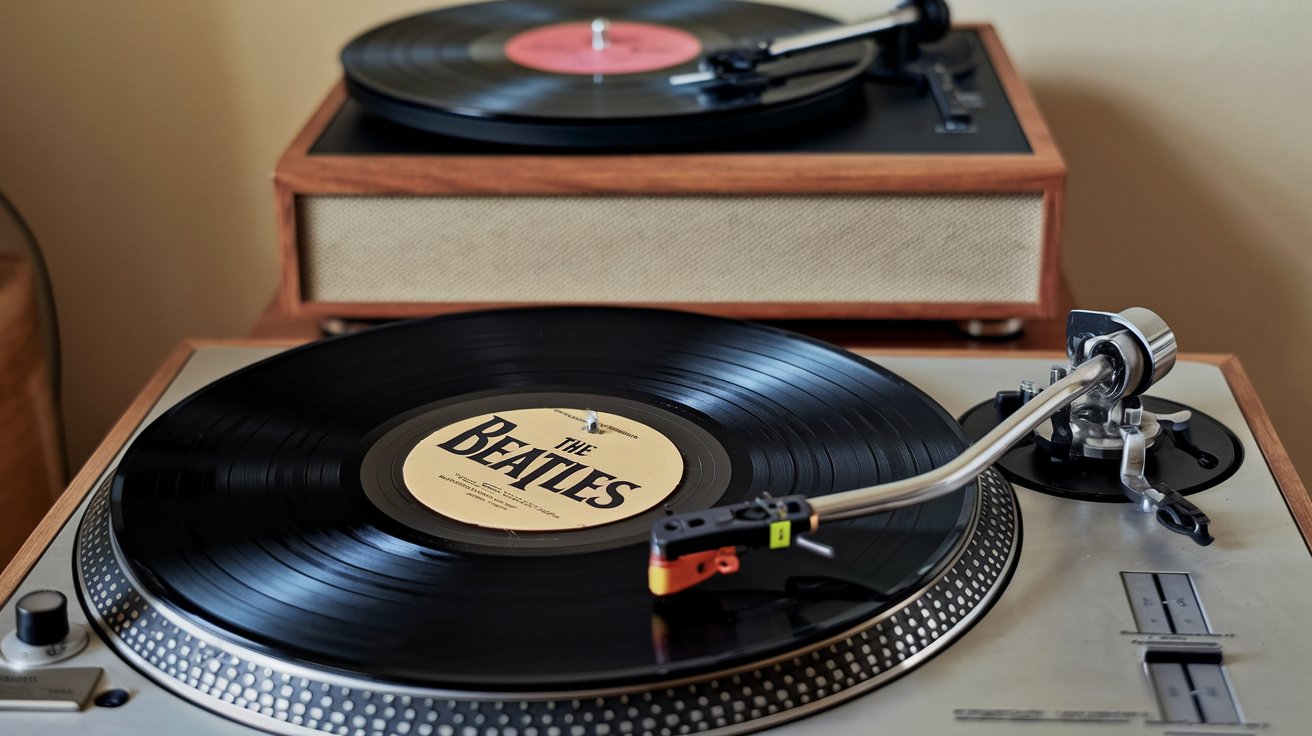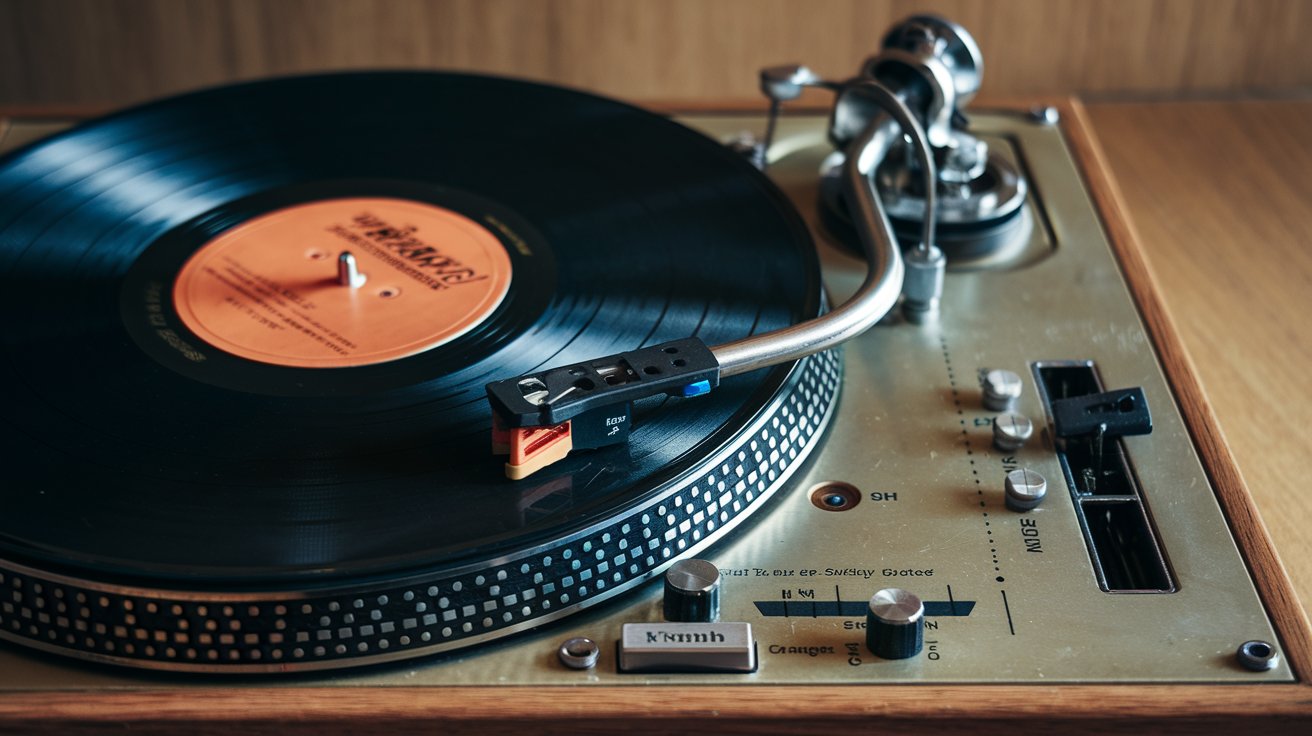
Understanding the parts of a record player transforms how you experience vinyl playback. Whether you’re setting up your first turntable or upgrading components, knowing what each part does ensures optimal sound quality. Modern record players in 2026 combine traditional analog mechanics with digital connectivity, making component knowledge essential for every vinyl enthusiast in the United States.
The Plinth: Foundation of Your Turntable
The plinth serves as the base structure of your record player, supporting all other components while minimizing vibrations that affect sound quality. In 2026, high-quality plinths use materials like MDF, aluminum, or acrylic to absorb resonance. The turntable base weight typically ranges from 8 to 30 pounds depending on construction quality. Premium models feature multi-layer dampening systems that reduce external vibrations by up to 85 percent compared to basic designs.
The plinth design directly impacts acoustic isolation from your listening environment. American audiophiles increasingly prefer plinths with adjustable feet that compensate for uneven surfaces, ensuring the platter remains perfectly level. Modern plinths also house the motor assembly and electronic components, with internal cable routing that prevents electromagnetic interference. Materials matter significantly, as a well-constructed record player base prevents the transfer of floor vibrations that create unwanted noise in your recordings.
The Platter: Where Your Vinyl Rests
The platter is the rotating platform that holds your vinyl record during playback, typically measuring 12 inches in diameter to accommodate standard LP sizes. Most platters in 2026 weigh between 3 and 8 pounds, with heavier designs providing better rotational stability and reduced wow and flutter. The platter material composition ranges from aluminum and glass to acrylic, each offering distinct acoustic properties. Premium turntables feature platters machined to tolerances within 0.01mm for perfectly consistent rotation speeds.
Your platter’s surface requires a slip mat made from felt, rubber, cork, or leather to protect records while reducing static buildup. The platter connects to the motor through either belt drive or direct drive systems, affecting speed accuracy and maintenance requirements. High-end platters incorporate damping materials between layers to eliminate resonance, improving clarity in the mid-frequency range. The platter spindle must be precisely centered, as even minor deviations create audible pitch variations that compromise listening quality.
Motor and Drive System Configuration
The motor provides rotational power to spin your platter at precise speeds of 33⅓, 45, or 78 RPM, with electronic speed control becoming standard in 2026 American turntables. Belt drive systems position the motor away from the platter, using an elastic belt to transfer rotation while isolating vibrations. Direct drive motors mount beneath the platter for immediate speed accuracy, preferred by DJs and broadcast applications. Modern record player motors use brushless DC technology that reduces electrical noise and extends operational life beyond 20,000 hours.
Speed Selector and Control Systems
The speed selector allows switching between playback speeds to accommodate different record formats, with electronic controls replacing mechanical levers in contemporary designs. Entry-level turntables offer manual speed adjustment, while premium models feature microprocessor-controlled systems that maintain accuracy within 0.01 percent deviation. Some 2026 turntables include pitch control sliders providing ±10 percent speed variation for DJ mixing applications, with visual indicators displaying real-time RPM readings.
Digital speed control systems in modern record player setups automatically detect platter rotation through optical sensors, applying instant corrections for consistent playback. The speed stability directly affects pitch accuracy, with quality motors maintaining specified RPM under varying electrical conditions. American audiophiles appreciate models with electronic speed switching that eliminates manual belt repositioning when changing between 33⅓ and 45 RPM records.
The Tonearm: Precision Tracking Component
The tonearm holds and positions the cartridge over your record’s grooves, serving as one of the most critical components affecting sound reproduction. This pivoting arm typically measures 9 to 12 inches in length, with longer designs reducing tracking error across the record surface. The arm of the record player must balance precise movement with rigid construction, using materials like carbon fiber, aluminum, or magnesium alloys. Modern tonearms feature adjustable counterweights, anti-skate mechanisms, and VTA (Vertical Tracking Angle) adjustment for optimal stylus contact.
Quality tonearms incorporate low-friction bearings at the pivot point, allowing smooth horizontal and vertical movement while maintaining accurate tracking force. The arm tube connects to a headshell that holds the cartridge, with some designs offering removable headshells for quick cartridge swapping. Effective mass of the tonearm must match your cartridge’s compliance specifications, as improper pairing creates resonance issues. In 2026, precision-engineered tonearms maintain tracking force accuracy within 0.1 grams, ensuring consistent groove contact throughout record playback.
Counterweight and Tracking Force Setup
The counterweight balances the tonearm and applies proper downward force on the stylus, typically adjustable from 1.0 to 3.0 grams depending on cartridge specifications. This cylindrical weight threads onto the rear of the tonearm, with calibrated markings indicating the applied tracking force. Proper counterweight adjustment prevents record wear while ensuring the stylus maintains consistent groove contact. Excessive force accelerates vinyl damage, while insufficient pressure causes mistracking and distortion during loud passages.
Setting up your record player’s counterweight requires first balancing the tonearm to neutral buoyancy, then rotating the weight to achieve manufacturer-specified tracking force. Digital tracking force gauges available in 2026 provide accuracy within 0.01 grams, though experienced users achieve excellent results with the calibrated dial. The counterweight position also affects tonearm resonance frequency, with proper setup placing this resonance between 8 and 12 Hz where musical content and structural vibrations are minimal.
Cartridge and Stylus: Sound Translation System
The cartridge converts mechanical groove vibrations into electrical signals, housing the stylus and generating voltage through either moving magnet or moving coil technology. This small component attaches to the tonearm headshell through standard mounting holes, with alignment protractors ensuring proper geometry. Moving magnet cartridges dominate the American market in 2026 due to higher output voltage and replaceable stylus designs, while moving coil types offer superior detail retrieval for dedicated audiophiles.
Cartridge specifications include frequency response, channel separation, and output voltage, with quality models achieving 20Hz-20kHz response within 2dB deviation. The electrical output ranges from 2.5mV for moving magnet designs to 0.5mV for moving coil variants, requiring appropriate phono preamp gain matching. Premium cartridges use exotic materials like boron or sapphire cantilevers, with prices ranging from $50 to over $10,000 in the United States.
Understanding the Stylus or Needle
The stylus rides in the record groove and transfers vibrations to the cartridge’s generating system, typically featuring a diamond tip for durability and precision. Common stylus profiles include spherical, elliptical, and advanced shapes like Shibata or MicroLine that increase groove contact area. A quality diamond stylus lasts 800 to 1,200 hours of playback before requiring replacement, though tracking force and record condition significantly affect longevity.
The needle’s profile shape dramatically impacts high-frequency retrieval and distortion levels, with elliptical designs offering better performance than spherical types. Advanced profiles like hyperelliptical or line contact styli trace groove walls more accurately, reducing record wear while improving channel separation. In 2026, American turntable enthusiasts can purchase replacement styli ranging from $25 for basic models to $3,000 for exotic designs. Regular stylus inspection under magnification reveals wear patterns, with visible flattening or asymmetry indicating replacement necessity.
Phono Preamp and Signal Processing
The phono preamp amplifies the cartridge’s low-level output and applies RIAA equalization to restore flat frequency response, serving as the bridge between turntable and amplifier. Many 2026 turntables include built-in preamps, though external units often provide superior performance with lower noise floors. This essential record player component boosts the signal by 30-40dB while applying precise frequency correction that counteracts the recording equalization used when pressing vinyl records.
Quality phono stages feature selectable input impedance matching moving magnet or moving coil cartridges, with typical values of 47k ohms and 100 ohms respectively. The preamp’s signal-to-noise ratio should exceed 70dB for clean reproduction, with premium units achieving 85dB or better. American audiophiles spending $200-$2,000 on external phono preamps gain improved detail retrieval, lower distortion, and better dynamics compared to built-in solutions. Tube-based preamps remain popular for their warm sonic character, while solid-state designs offer precise accuracy and lower maintenance requirements.
Outputs and Inputs Configuration
Modern turntables provide multiple connection options including analog RCA outputs, USB digital outputs, and Bluetooth wireless transmission. Standard phono outputs require connection to a phono preamp input, while line-level outputs work with any amplifier auxiliary input. In 2026, approximately 65 percent of turntables sold in the United States include USB connectivity for digital archiving, allowing direct computer connection for converting vinyl to digital formats.
Bluetooth-enabled turntables transmit wireless audio to speakers or headphones, though this introduces compression that audiophiles avoid for critical listening. Some premium models feature balanced XLR outputs that reduce noise in professional installations with long cable runs. Ground wire terminals prevent hum by providing electrical ground connection to your amplifier’s chassis, essential for systems without three-prong AC power connections. The output configuration you choose affects sound quality, with direct wired connections providing superior fidelity compared to wireless alternatives.
Dust Cover and Protection Systems
The dust cover shields your turntable from airborne particles that contaminate records and stylus, typically constructed from hinged acrylic or polycarbonate plastic. Quality covers attach through integrated hinges that allow full opening without removal, while some audiophiles prefer completely removable designs that eliminate potential resonance. In 2026, dust covers on American turntables range from basic protective shells to acoustically-optimized designs with vibration-dampening construction that costs $100-$400 as standalone accessories.
Keeping the dust cover closed during non-use prevents particle accumulation on the platter and tonearm bearings, extending component operational life significantly. However, many experts recommend playing records with the cover open or removed, as the enclosure can create acoustic reflections that color sound reproduction. Premium turntables feature covers made from 8mm thick acrylic with brass hinges, providing substantial protection while minimizing resonance. Some modern designs eliminate traditional covers entirely, using magnetic barriers or electronic dust repulsion systems to maintain cleanliness.
Understanding Record Player Diagram Layout
A comprehensive record player diagram illustrates component relationships and signal flow from stylus to output, helping users understand how adjustments affect performance. Visual diagrams typically label the plinth, platter, motor, tonearm, cartridge, and electronic components with detailed callouts. In 2026, interactive digital diagrams available through manufacturer apps allow American consumers to explore three-dimensional turntable anatomy with animated demonstrations of mechanical operation.
Understanding component positioning in record player setup guides proper placement and adjustment procedures, particularly for critical elements like cartridge alignment and tonearm height. Diagrams reveal internal construction differences between belt drive and direct drive systems, showing motor placement and vibration isolation strategies. Educational resources increasingly include exploded view diagrams that display individual parts separated from the assembly, useful for maintenance and upgrade planning. Technical diagrams specify measurement points for setup parameters like overhang, zenith angle, and anti-skate force.
Related video about parts of a record player
This video complements the article information with a practical visual demonstration.
Questions & Answers
What are parts of a record player called?
The main parts of a record player include the plinth (base), platter (rotating platform), motor and drive system, tonearm, cartridge, stylus (needle), counterweight, anti-skate mechanism, speed selector, phono preamp, and outputs. Additional components include the dust cover, slip mat, and various adjustment mechanisms. Each component plays a specific role in accurate vinyl playback, from the plinth’s vibration isolation to the stylus tracing record grooves. Understanding these parts helps optimize turntable performance and troubleshoot issues.
What is the arm of the record player called?
The arm of a record player is called the tonearm, which holds and positions the cartridge over the record’s grooves during playback. This pivoting component typically measures 9 to 12 inches in length and incorporates precision bearings for smooth movement. The tonearm includes a counterweight at the rear for tracking force adjustment, a headshell at the front that holds the cartridge, and various adjustment mechanisms for optimizing stylus alignment. Quality tonearms use rigid, lightweight materials like carbon fiber or aluminum to minimize resonance while maintaining accurate tracking across the entire record surface.
What are the components of a record player system?
A complete record player system includes the turntable itself plus external components for full functionality. The turntable contains the platter, motor, tonearm, and cartridge. External components include a phono preamp (sometimes built-in), amplifier or receiver, and speakers or headphones. Additional system elements may include a record cleaning system, stylus force gauge, cartridge alignment protractor, and vibration isolation platform. In 2026, many American systems incorporate digital components like USB audio interfaces or Bluetooth transmitters for wireless connectivity. Proper component matching ensures optimal sound quality throughout the playback chain.
What are the parts of a vinyl record called?
A vinyl record consists of several distinct parts beyond the turntable components that play it. The record itself includes the grooves (spiral tracks containing audio information), the label (center paper identifying the recording), the center hole (spindle opening), deadwax or run-out groove area (space between final track and label), and lead-in groove (starting point). The record’s outer edge is called the rim or border. Records come in different sizes (7-inch, 10-inch, 12-inch) and weights (standard, heavyweight, or audiophile pressings ranging from 120 to 200 grams). The groove modulation encodes stereo information through lateral and vertical movements that the stylus tracks during playback.
How often should I replace the stylus on my record player?
A diamond stylus typically requires replacement after 800 to 1,200 hours of playback, depending on tracking force, record condition, and stylus quality. Signs that replacement is needed include increased surface noise, distortion during loud passages, reduced high-frequency response, and visible wear under magnification. Playing dirty records or using excessive tracking force accelerates stylus wear significantly. In 2026, American audiophiles often track playback hours to schedule preventive replacement before audible degradation occurs. Premium styli may last longer, while budget models might require more frequent replacement. Regular inspection and proper maintenance extend stylus life and prevent unnecessary record wear.
What is the difference between belt drive and direct drive record players?
Belt drive turntables use an elastic belt to transfer motor rotation to the platter, positioning the motor away from the platter to reduce vibration transmission. This design provides excellent sound quality for home listening but requires occasional belt replacement. Direct drive systems mount the motor directly beneath the platter for immediate speed accuracy and high torque, preferred by DJs and broadcast applications. Belt drive excels in vibration isolation and typically costs less, while direct drive offers superior speed stability and instant start/stop capability. In 2026, approximately 70 percent of turntables sold to American consumers use belt drive systems, with direct drive dominating professional and DJ markets.
| Component | Primary Function | Impact on Sound Quality |
|---|---|---|
| Plinth | Base structure and vibration isolation | Reduces resonance by 85% in premium models |
| Platter | Rotating platform for records | Heavier designs improve speed stability |
| Motor & Drive | Rotates platter at precise speeds | Speed accuracy within 0.01% in 2026 models |
| Tonearm | Positions cartridge over grooves | Proper setup reduces tracking error significantly |
| Cartridge & Stylus | Converts vibrations to electrical signals | Most critical component for sound reproduction |
| Phono Preamp | Amplifies and equalizes signal | Quality units achieve 85dB+ signal-to-noise ratio |